May 24
The Rise of Pickleball Introduction: Pickleball, a unique racket
sport that combines elements of tennis, squash, and ping pong,
has been capturing the attention of sports enthusiasts around
the world. Its simple yet engaging gameplay, coupled with its
rich history and recent surge in popularity, h...Read more
The Rise of Pickleball Introduction: Pickleball, a unique racket
sport that combines elements of tennis, squash, and ping pong,
has been capturing the attention of sports enthusiasts around
the world. Its simple yet engaging gameplay, coupled with its
rich history and recent surge in popularity, has made it a
favorite pastime for people of all ages. In this blog post, we
will delve into the origins of pickleball, explore its key
features, and discuss the reasons behind its remarkable rise in
popularity during the 2000s. Origins of Pickleball: The origins
of pickleball can be traced back to the summer of 1960 when two
Congresspeople, looking for a way to keep their children
entertained during their summer vacation on Bainbridge Island,
stumbled upon a new sport. The story goes that Joel Pritchard
and William Bell created the game using improvised equipment,
including a flat paddle and a plastic ball with holes,
reminiscent of the popular wiffle ball from their childhood. As
the summers passed, the sport evolved and gained popularity
among friends and family, eventually becoming known as
pickleball. Pickleball’s Unique Characteristics: Pickleball
distinguishes itself from other racket sports with its unique
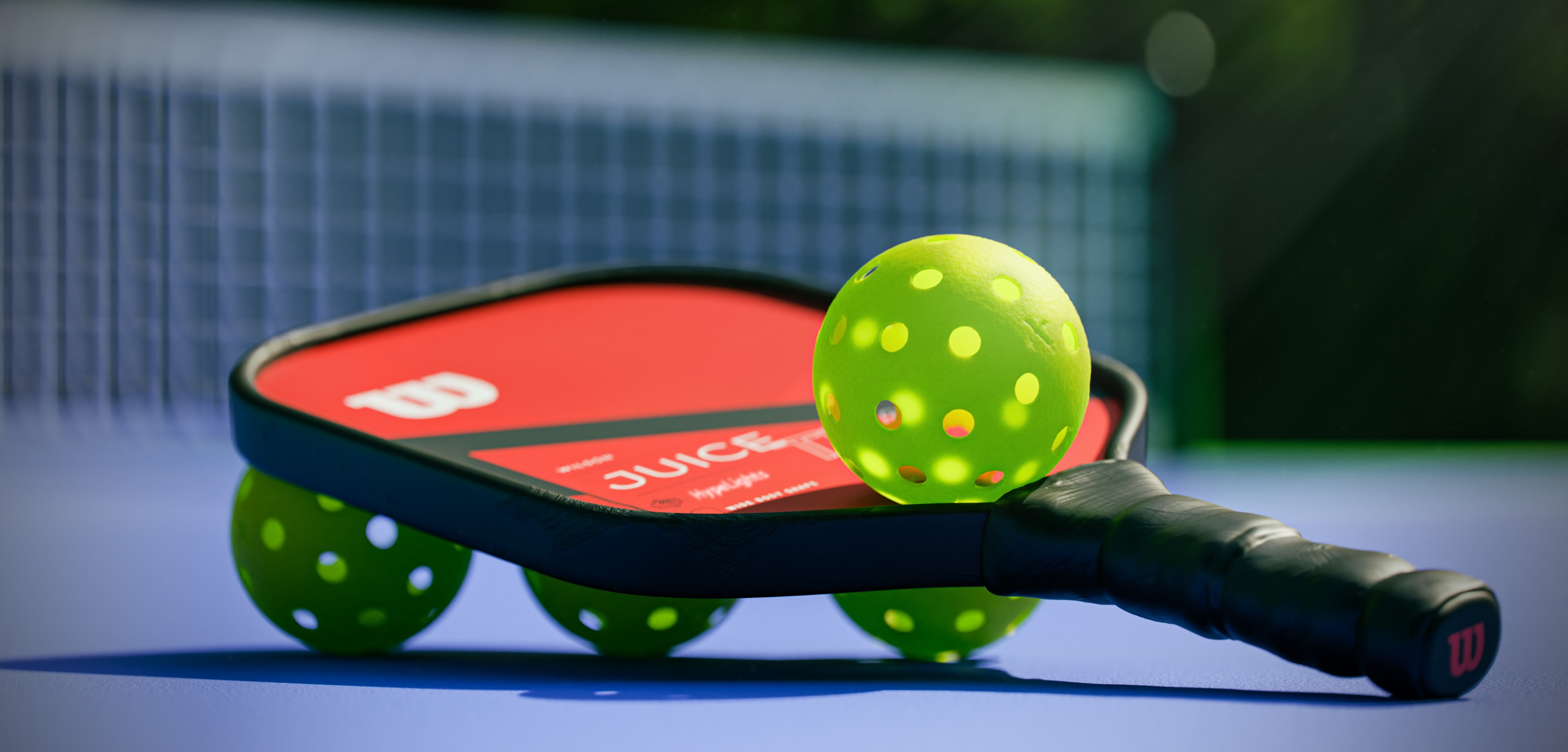
set of rules and equipment. Players use a solid, flat paddle,
typically made of composite materials, to hit a perforated
plastic ball over a net. The court is smaller than a traditional
tennis court, making it more accessible and suitable for various
environments. Pickleball can be played in singles or doubles,
making it a flexible and inclusive game for players of different
skill levels. The Boom in Popularity: While pickleball has been
around for over 50 years, its recent surge in popularity during
the 2000s has taken the sporting world by storm. Several factors
have contributed to this remarkable boom: Accessibility and Ease
of Learning: One of the key reasons for pickleball’s rise is its
accessibility. The sport is relatively easy to learn, making it
appealing to beginners and individuals looking for a fun and
social activity. With a shorter learning curve compared to other
racket sports, pickleball allows people to quickly grasp the
fundamentals and enjoy competitive play. Age and Demographic
Appeal: Pickleball’s popularity is not confined to a specific
age group. The sport caters to a wide range of players,
including retirees seeking a low-impact form of exercise, young
adults looking for an alternative to traditional sports, and
families seeking an engaging outdoor activity. This diverse
appeal has contributed to its widespread adoption across
communities. Community and Social Engagement: Pickleball has
fostered a strong sense of community among its players. The
sport’s welcoming and inclusive nature encourages social
interaction and provides opportunities for individuals to
connect and form friendships. Many pickleball enthusiasts
participate in local clubs, leagues, and tournaments, further
fostering a sense of camaraderie and healthy competition.
Promotion and Exposure: In recent years, pickleball has received
increased media attention, exposure on social platforms, and
endorsement from professional athletes. The sport’s presence in
sports clubs, recreation centers, and even schools has created
more opportunities for people to experience and engage with
pickleball, leading to its growing popularity. Conclusion:
Pickleball’s journey from a simple summer game to a booming
sport has been an inspiring one. Its unique blend of
accessibility, engaging gameplay, and social appeal has captured
the hearts of countless individuals across the globe. As the
sport continues to grow, pickleball enthusiasts eagerly
anticipate its future, where it may carve out an even more
significant space in the world of racket sports, uniting players
of all ages and backgrounds in the spirit of competition and
camaraderie.